Xinhua
03 Mar 2026, 11:15 GMT+10
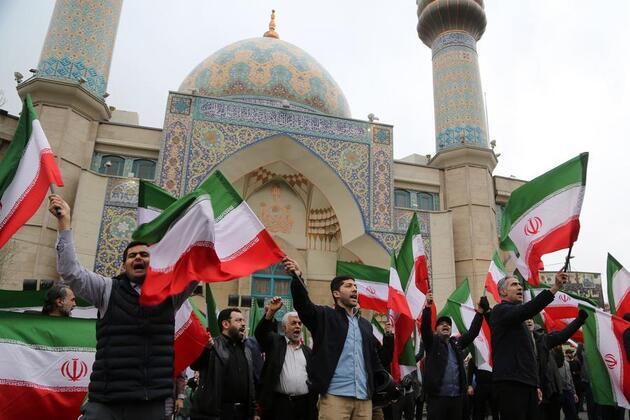
CAIRO, March 3 (Xinhua) -- For more than 70 years, the United States and Iran have been trapped in a cycle of hostility centered on regional security and Iran's nuclear ambitions, with tensions repeatedly boiling over into open confrontation.
The following timeline traces the key milestones in their fraught relationship:
-- 1953: U.S. intelligence agencies orchestrated a coup that overthrew then-democratically-elected Iranian Prime Minister Mohammad Mosaddegh, reinstating the U.S.-backed Shah Mohammad Reza Pahlavi.
-- 1957: The United States and Iran signed a civil nuclear cooperation agreement as part of then U.S. President Dwight Eisenhower's "Atoms for Peace" initiative, laying the foundation for Iran's nuclear ambitions.
-- 1972: Then U.S. President Richard Nixon visited Iran and pledged to sell Tehran any U.S. weapons except nuclear arms in exchange for Iran's role in safeguarding U.S. interests in the Middle East.
-- 1979-1981: Iran's Islamic Revolution, led by Ayatollah Ruhollah Khomeini, toppled the Pahlavi dynasty and established the Islamic Republic of Iran. On Nov. 4, 1979, Iranian students seized the U.S. Embassy in Tehran, taking 52 Americans hostage. In response, then U.S. President Jimmy Carter severed diplomatic ties and imposed sanctions on Iran.
-- 1980-1988: During the Iran-Iraq War, the United States backed Iraq, further straining relations with Tehran.
-- 1984: The United States designated Iran as a "state sponsor of terrorism" following a 1983 attack on a multinational barracks in Lebanon's Beirut that killed over 200 U.S. service members. Washington attributes the attack to Iranian-linked militants.
-- 1988: A U.S. warship shot down an Iranian civilian flight, killing over 200 people on board.
-- 1995: The administration of then U.S. President Bill Clinton tightened sanctions, banning U.S. trade with and investment in Iran.
-- 2002: Then U.S. President George W. Bush labeled Iran, Iraq and the Democratic People's Republic of Korea as an "axis of evil" in his State of the Union address.
-- July 2015: Iran reached a landmark nuclear agreement, formally known as the Joint Comprehensive Plan of Action (JCPOA), with the United States, Britain, France, Russia, China and Germany. Under the deal, Tehran agreed to curb its nuclear program in exchange for sanctions relief.
-- 2018: The administration of U.S. President Donald Trump unilaterally withdrew from the JCPOA and reinstated "maximum pressure" sanctions, a move widely condemned by the international community.
-- 2019: The United States designated Iran's Islamic Revolutionary Guard Corps (IRGC) as a Foreign Terrorist Organization. Iran subsequently labeled the U.S. Central Command and its forces in West Asia as a "terrorist group".
-- 2020: A U.S. airstrike in the Iraqi capital Baghdad killed Qassem Soleimani, commander of the IRGC's Quds Force. Iran retaliated by launching missiles at military bases in Iraq housing U.S. troops.
-- 2025: Beginning in April, Iran and the United States held five rounds of indirect talks over the Iranian nuclear issue and U.S. sanctions relief. On June 13, ahead of a planned sixth round, Israel launched large-scale airstrikes on Iran. On June 21, the United States initiated Operation "Midnight Hammer," with Trump announcing successful strikes on Iran's nuclear facilities at Fordow, Natanz and Isfahan. A ceasefire between Iran and Israel took effect on June 24.
-- Late 2025: Protests erupted across Iran over rising prices and currency depreciation, with unrest causing casualties among security personnel and civilians. Iran accused the United States and Israel of instigating the turmoil, while Washington threatened military intervention.
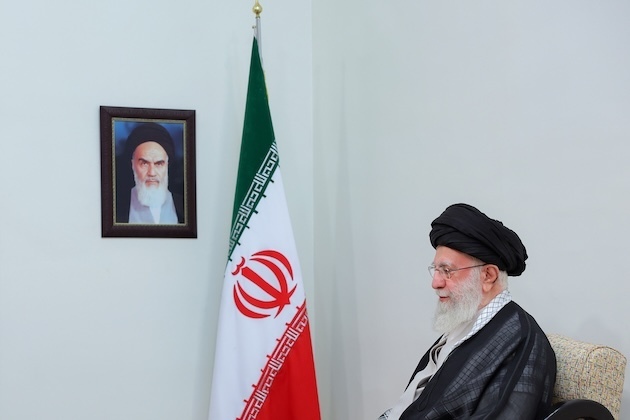
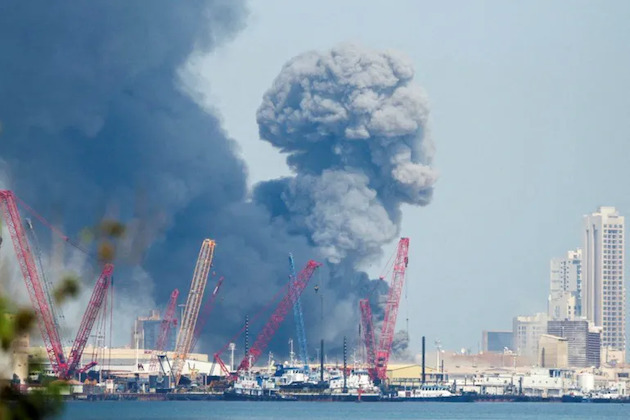
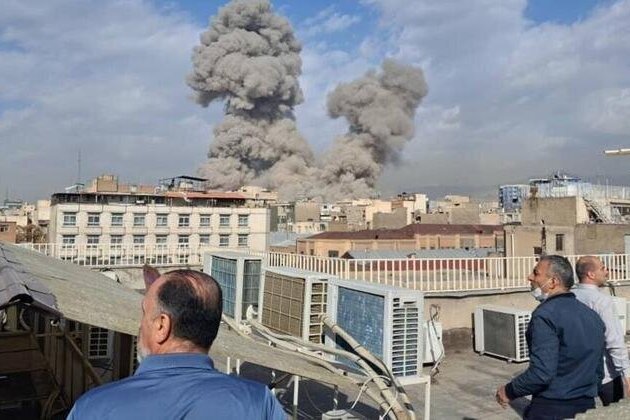
-- February 2026: The United States and Iran resumed indirect negotiations and conducted three rounds of talks, as Washington massed significant forces in the Middle East. On Feb. 28, the United States and Israel launched a joint military strike against Iran, killing Iran's Supreme Leader Ayatollah Ali Khamenei. Iran immediately retaliated with missile and drone strikes against Israel and U.S. military assets across the region.
Get a daily dose of Milwaukee Sun news through our daily email, its complimentary and keeps you fully up to date with world and business news as well.
Publish news of your business, community or sports group, personnel appointments, major event and more by submitting a news release to Milwaukee Sun.
More InformationHONG KONG: Onetime media magnate Jimmy Lai won a rare victory in his legal battles when a Hong Kong appellate court on February 27...
NEW YORK CITY, New York: Federal immigration authorities released a Columbia University student a few hours after arresting her early...
NEW YORK CITY, New York: Lawyers who previously worked for Luigi Mangione's and Sean Diddy Combs will now represent Harvey Weinstein...
WASHINGTON DC - Iran's Supreme Leader Ayatollah Ali Khamenei is dead, according to Israeli and U.S. officials. Iran State Media confirmed...
DUBAI, UAE - Loud explosions have been heard in Dubai, while a Pakistani national has been killed by falling debris from a missile...
The United States and Israel launched a wave of air strikes against targets in Iran on Saturday, triggering explosions and columns...
(Photo credit: Michael McLoone-Imagn Images) Giannis Antetokounmpo returned to the court after missing 15 games with a strained right...
(Photo credit: Kamil Krzaczynski-Imagn Images) Oklahoma City Thunder star Shai Gilgeous-Alexander will aim to extend his NBA record...
(Photo credit: Rick Osentoski-Imagn Images) It seems inevitable that the Eastern Conference-leading Detroit Pistons and the fourth-place...
(Photo credit: Benny Sieu-Imagn Images) Bucks star forward Giannis Antetokounmpo is expected to be back in action for the first time...
(Photo credit: Mark J. Rebilas-Imagn Images) The Phoenix Suns are signing guard Jamaree Bouyea to a two-year contract, ESPN reported...
(Photo credit: Paul Rutherford-Imagn Images) The Milwaukee Bucks will be dealing with two quality centers when they face the visiting...