


Europe's summer from hell seems over - but is it really?
RT.com
06 Sep 2026, 19:17 GMT+10
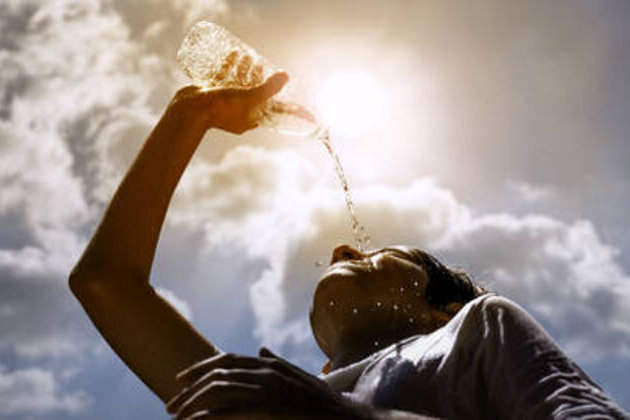
Record heat, drought, fires, and floods battered the continent - and scientists warn such extremes are becoming far more likely
Summer is officially over in Europe - and for millions of people, this may be remembered as the year when extreme weather stopped feeling particularly unusual.
Western Europe endured an extraordinary succession of heatwaves, drought, wildfires, and water shortages. Temperatures repeatedly climbed above 40C (104F), rivers fell to historic lows, and crops withered.
Then, in some places, the drought ended not with gentle rain but violent storms and flash flooding.
France, the UK, and Belgium all recorded their hottest summers on record.
So, was 2026 simply an exceptionally unlucky summer?
Scientists increasingly say no.
How hot was it?
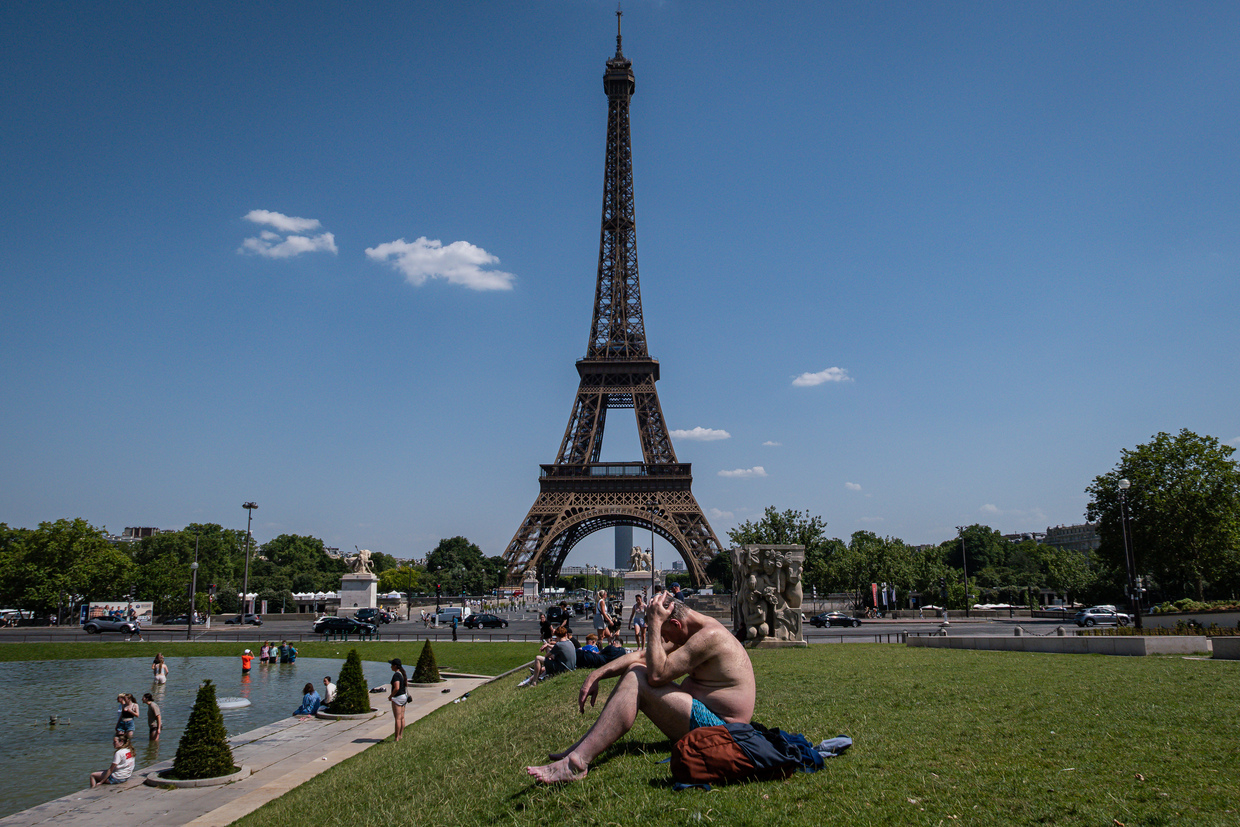
France averaged 24C across June, July, and August, 3.6C above the 1991-2020 norm. The previous record, set during the deadly summer of 2003, was 2.7C above normal.
The country endured three official heatwaves totaling an unprecedented 53 days. Some 45% of France experienced temperatures of at least 40C at some point during the summer.
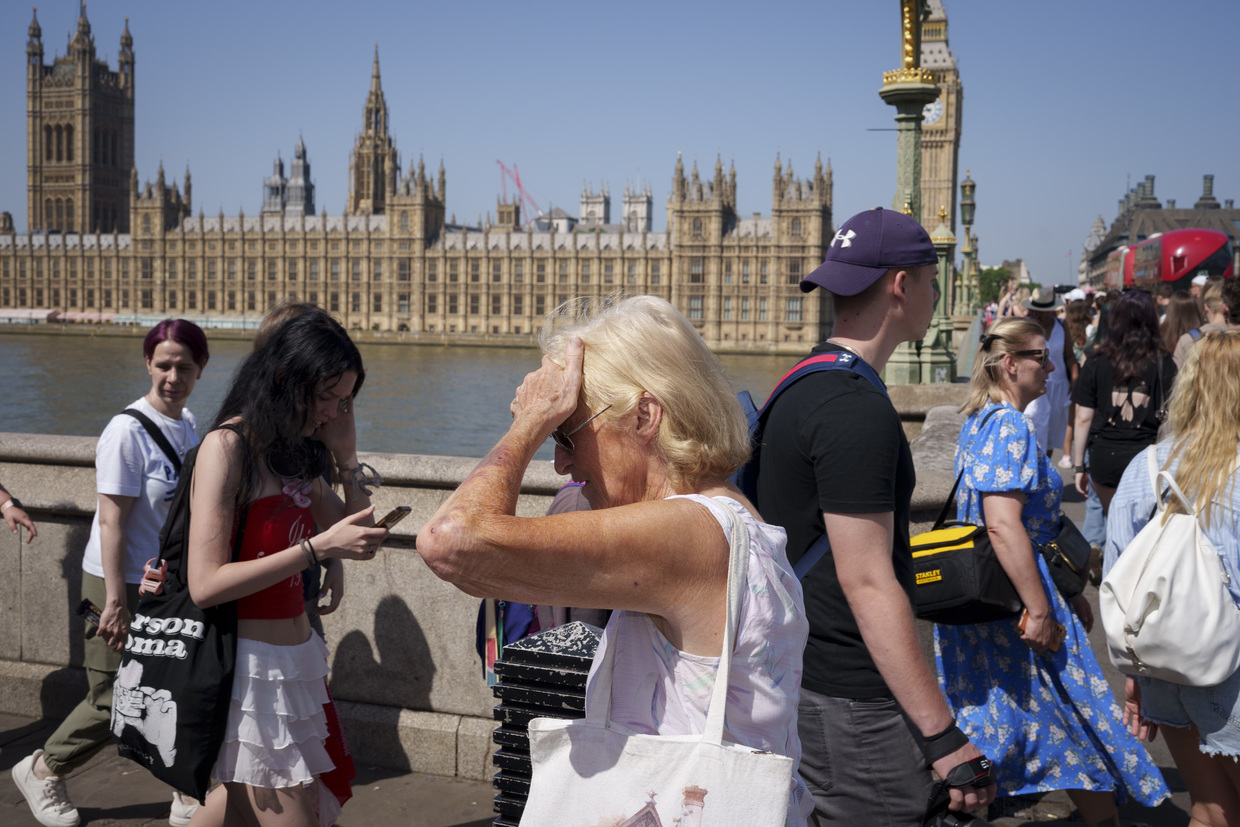
Britain, hardly famous for scorching summers, recorded a seasonal mean temperature of 16.5C - the highest since national records began in 1884. Temperatures peaked at 38.1C at London's Kew Gardens, while 54 weather stations operated by the Met Office, the UK's national weather service, broke their all-time maximum records.
Across Western Europe, June and July were the hottest on record, with the average temperature reaching 21.62C - 2.79C above the 1991-2020 norm, according to the EU's Copernicus Climate Change Service.
How deadly was it?
Extreme heat can worsen heart, respiratory, and kidney problems, meaning its health impact is often measured through excess mortality rather than deaths explicitly attributed to heat.
In France, the national public health agency estimated almost 5,800 excess deaths from all causes during the June 17-July 2 heatwave, 36% above the expected level in the affected areas. Another 1,243 excess deaths were recorded during heatwave periods between July 3 and 22.
The figures are preliminary and do not mean heat caused every additional death, but health officials said the sharp increases highlighted the impact of prolonged exposure to extreme temperatures.
Older people were particularly vulnerable: Those aged 75 and over accounted for roughly two-thirds of the excess deaths during France's first heatwave.

From heat to drought - and fire
High-pressure weather kept much of Western Europe hot and dry for long periods, while the extreme heat dried out soils and vegetation even further.
This can reinforce the heat. Once soils dry, less water is available for evaporation, reducing the natural cooling of the surface and allowing temperatures to rise further.
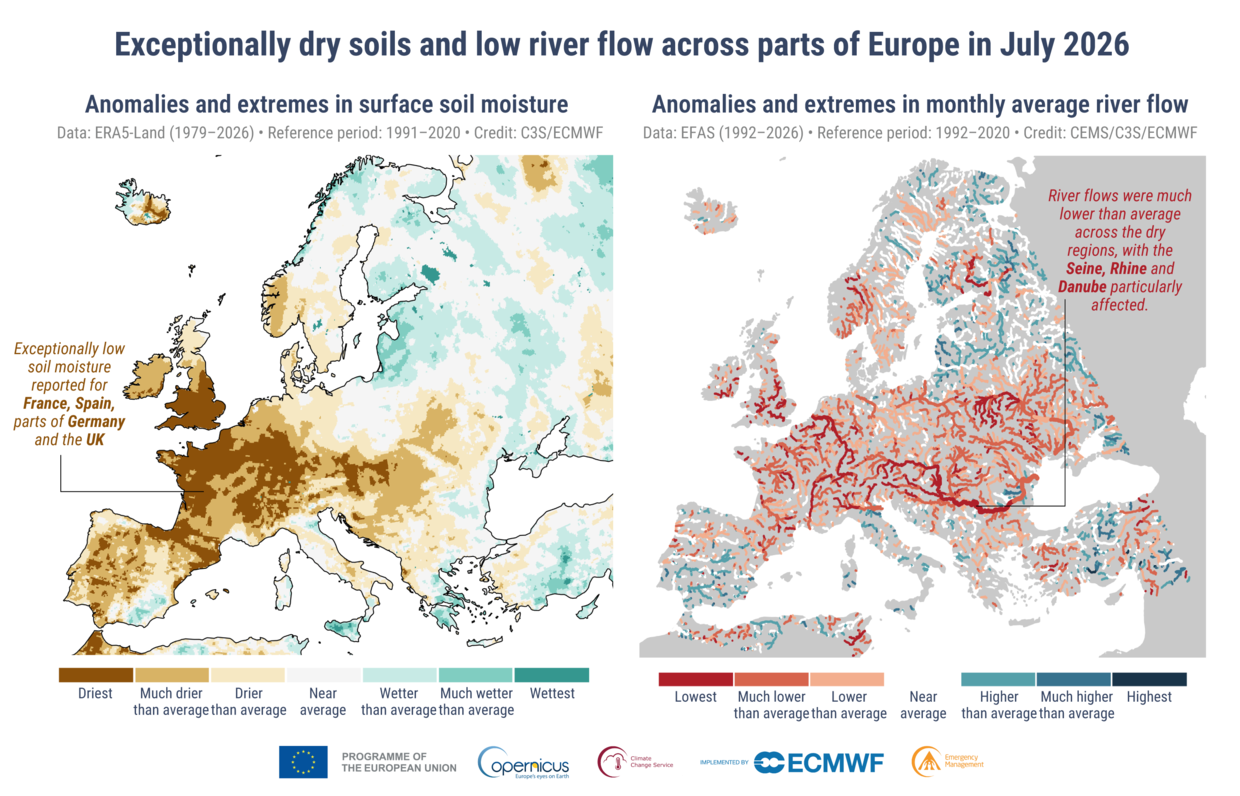
France received almost 40% less rainfall than normal, making 2026 its second-driest summer since 1959, while soil drought reached unprecedented levels nationwide.
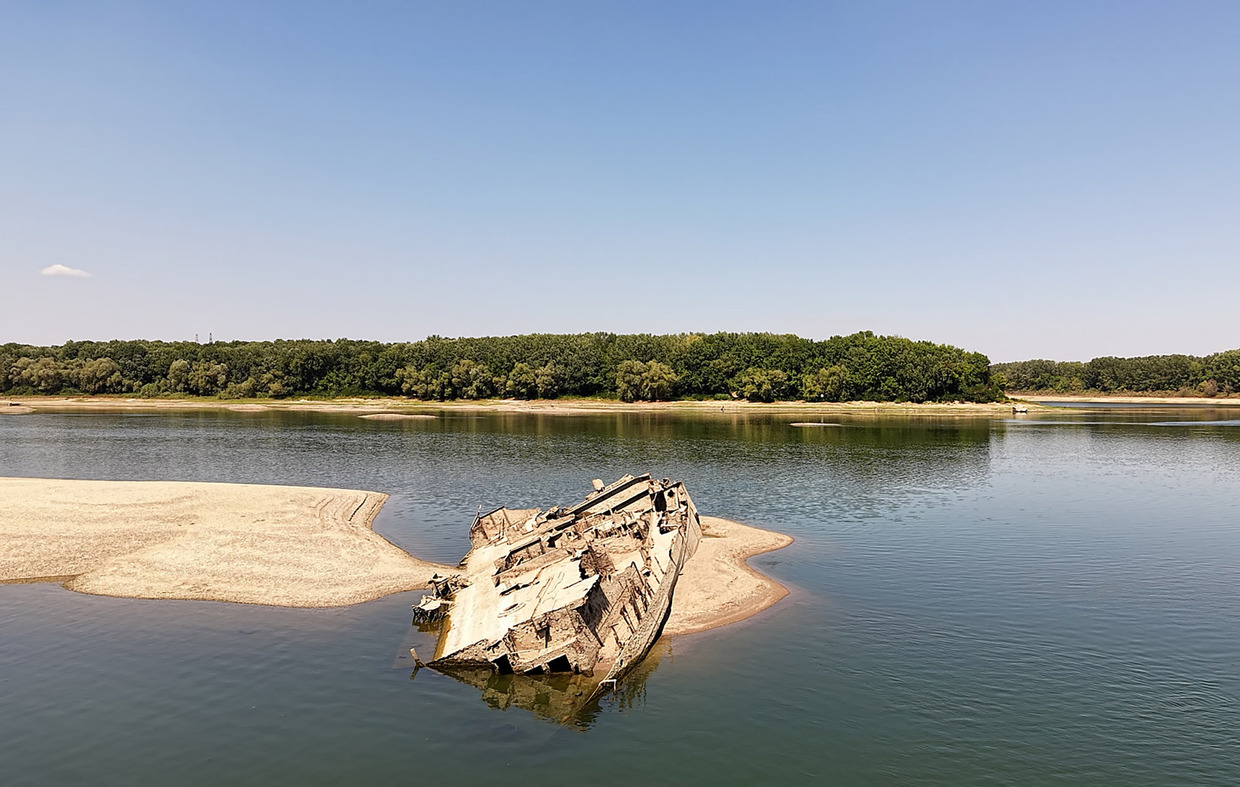
Major European waterways also dropped sharply. Copernicus reported exceptionally low flows in the Seine, Rhine, and Danube, disrupting transport, irrigation, and energy production.
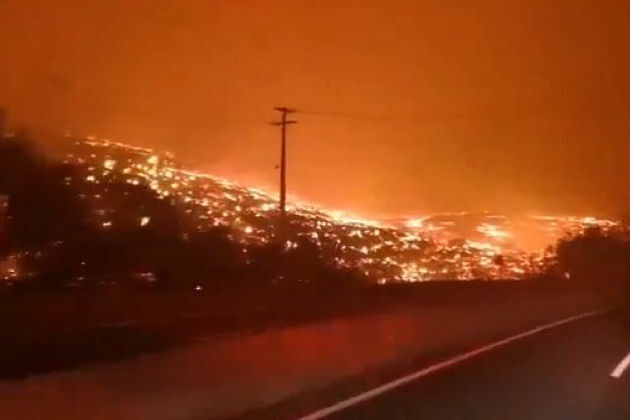
Meanwhile, tinder-dry vegetation fueled wildfires. By early September, fires had affected more than 647,000 hectares in the EU, nearly twice the 20-year average for that point in the season, according to the European Commission's Joint Research Center.
The economic cost
Agriculture was among the hardest-hit sectors.
In Britain, preliminary estimates suggested the country could be heading for its smallest harvest since detailed records began in 1984.
The impact also stretched across the EU. The European Commission has forecast the bloc's maize harvest at a near 20-year low, following severe heat and water shortages in major growing regions.
France announced more than 1 billion ($1.16 billion) in emergency assistance for farmers, with 30,000-35,000 farms reported to be in financial distress.
Germany's grain harvest fell 7.3% from last year, according to the government's preliminary report, which blamed drought and heat for crop losses and severe feed shortages in parts of the country.
Low rivers also disrupted shipping and industry, particularly along the Rhine, where companies were forced to reduce cargo loads or switch to more expensive road and rail transport.
How can drought and floods happen together?
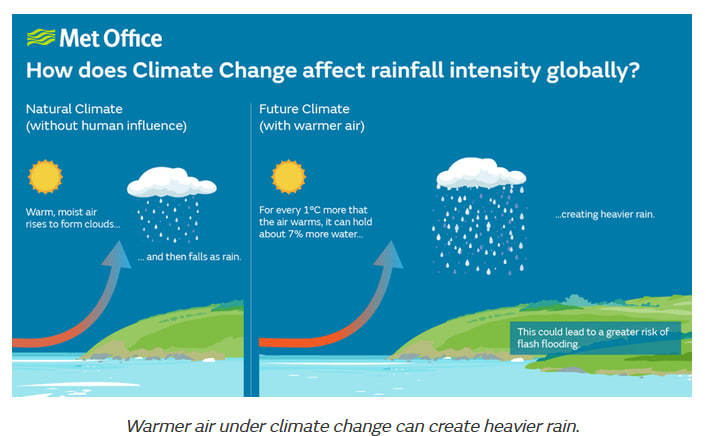
A warmer atmosphere can hold roughly 7% more water vapor for every 1C of warming, providing more moisture for intense rainfall when storms develop.
At the same time, prolonged heat can leave some soils so dry that, under certain conditions, intense rain falls faster than the ground can absorb it, increasing runoff and flash-flood risk.
Northern Italy demonstrated the abrupt shift in August, when weeks of extreme heat were followed by torrential rain and flooding in Liguria, Lombardy, and northern Tuscany.
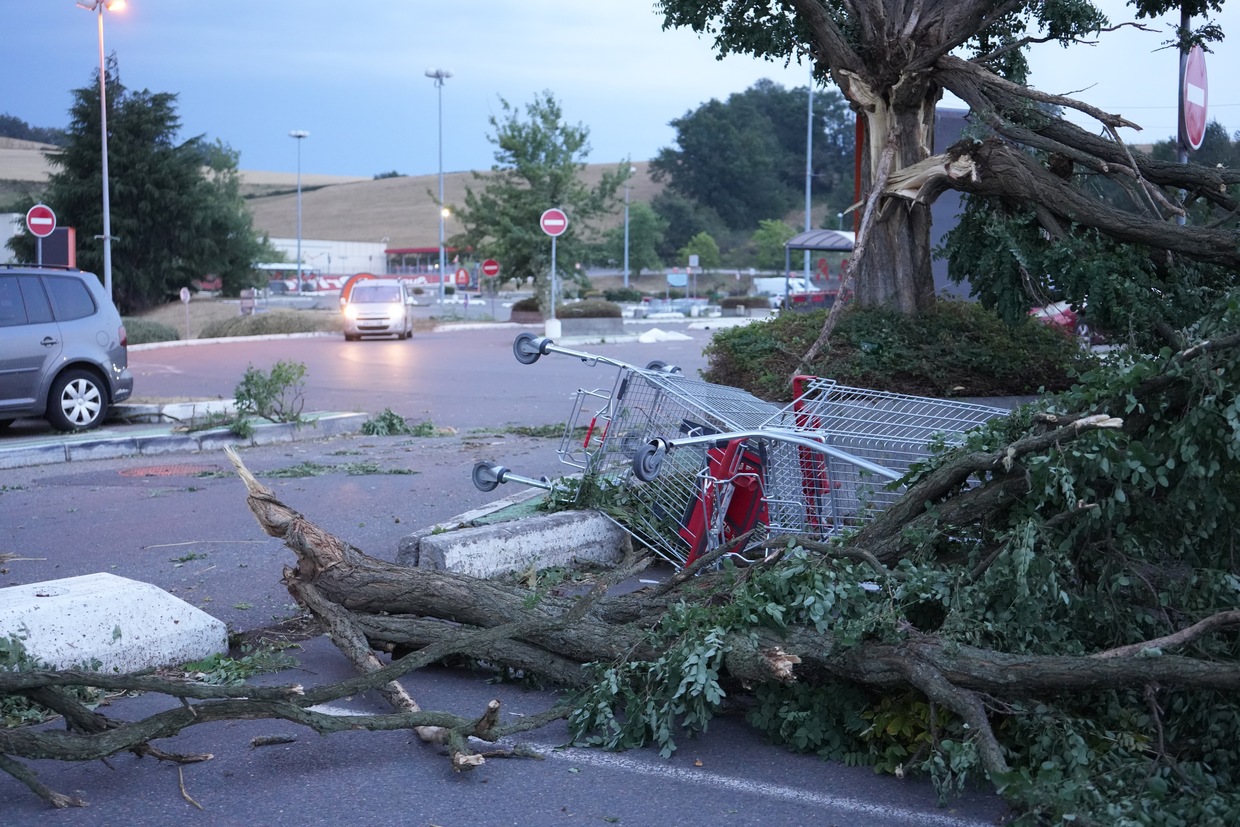
France also experienced violent thunderstorms. On August 24, more than 20,000 lightning strikes were recorded alongside intense rain, hail, and powerful winds.
When the heat got weird
The extreme temperatures produced some unusual scenes across Europe.
In Belgium, young birds were reported jumping from nests to escape temperatures of up to 50-60C beneath roofs. One wildlife rescue center said it was receiving more than 40 heat-stressed animals a day as swifts, swallows, sparrows, and starlings struggled with the conditions.
Zoos resorted to creative ways of keeping animals cool. Prague Zoo brought in tons of ice for its polar bears and other animals, while Rome Zoo served frozen fruit, vegetables, and fish and moved some heat-sensitive species into climate-controlled areas.
Infrastructure also suffered. In Germany, sections of the A2 motorway buckled in the heat, while melting asphalt around tram tracks disrupted services in Leipzig. In Sweden, heat was blamed for warping railway tracks into a so-called "sun curve," causing a freight train to derail.
The heat even interfered with history. In Belgium, organizers canceled a reenactment of Napoleon's defeat at Waterloo because temperatures were considered too dangerous for participants and spectators.
Is this the new normal?
Not quite - yet.
The UK Met Office estimates that a summer as hot as 2026 would have had a less than one-in-1,000 annual chance in a climate without human greenhouse-gas emissions. In today's environment, the probability is roughly one in nine - making such a summer about 130 times more likely.
Meteo-France reached a similar conclusion. It estimates that around 2.4C of the difference between summer 2026 and an average pre-industrial national summer was attributable to human-caused climate change.
Europe will still experience cooler and wetter summers. Natural weather variability has not disappeared, and no one can say whether 2027 will repeat this year's extremes.
But the odds are shifting. Heatwaves are becoming more frequent and intense, while higher temperatures can worsen drought, wildfire conditions, and extreme rainfall.
Summer 2026 therefore may not be remembered simply as Europe's summer from hell.
It may eventually be remembered as the summer when an extreme future briefly arrived early.
 Share
Share
 Tweet
Tweet
 Share
Share
 Flip
Flip
 Email
Email
Subscribe and Follow
Get a daily dose of Milwaukee Sun news through our daily email, its complimentary and keeps you fully up to date with world and business news as well.


News RELEASES
Publish news of your business, community or sports group, personnel appointments, major event and more by submitting a news release to Milwaukee Sun.
More InformationUS munition directly hit Iranian wedding gathering, killing 4

LONDON/WASHINGTON, D.C.: An explosion at a wedding gathering in southern Iran that killed four people and injured at least 68 others...
Stronger El Niño likely in 2027, raises extreme weather risk
GENEVA, Switzerland: The El Niño weather pattern could strengthen further in the coming months and may continue to affect weather conditions...
Seven hurt in drone strike on Ukraine’s SBU headquarters
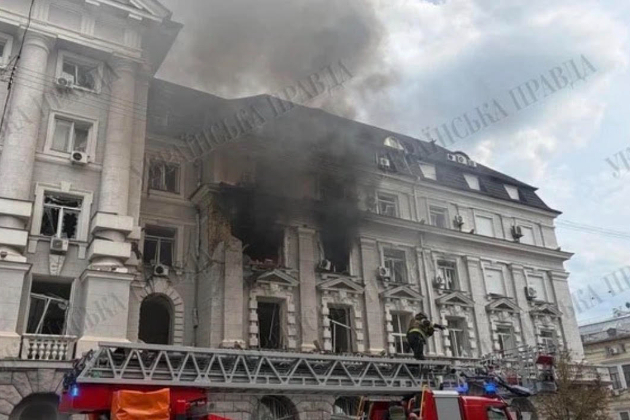
KYIV, Ukraine: A Russian drone struck the headquarters of Ukraine's Security Service, known as the SBU, in central Kyiv on September...
West Dublin data center faces noise probe

DUBLIN, Ireland: The Environmental Protection Agency (EPA) has launched an investigation into noise complaints linked to a data center...
Apple hit with $2.7 billion UK lawsuit over app tracking policy

LONDON, U.K.: Apple is facing a £2 billion ($2.7 billion) lawsuit in Britain over claims that its app tracking rules unfairly imposed...
Australian seeks help finding boyfriend missing in Nepal floods
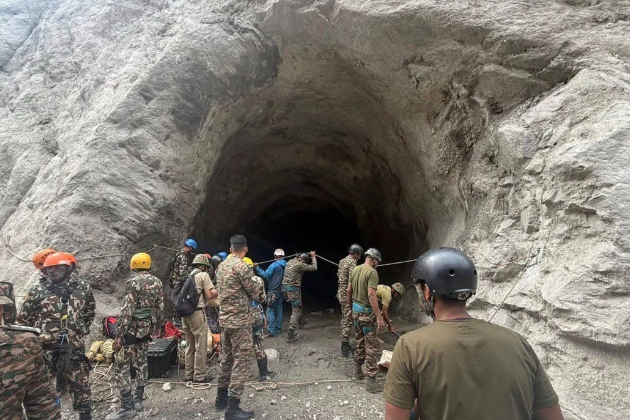
SYDNEY, Australia: An Australian medical student whose boyfriend has gone missing in the Nepal floods says technology companies should...
Pete Crow-Armstrong, Cubs seek series sweep of Marlins

(Photo credit: Sam Navarro-Imagn Images) The Chicago Cubs will look to strengthen their position atop the National League wild-card...
Behind Kyle Harrison, Brewers chase series win vs. Reds

(Photo credit: David Banks-Imagn Images) Kyle Harrison will try to bounce back from a disastrous start when the Milwaukee Brewers...
MLB roundup: Kyle Schwarber homers, Phillies beat East-leading Braves

(Photo credit: Bill Streicher-Imagn Images) Zack Wheeler worked six strong innings and Kyle Schwarber hit his major league-leading...
Reds top Brewers after lengthy weather delay

(Photo credit: Tanner Pearson-Imagn Images) Matt McLain's home run in the seventh inning broke a tie and the host Cincinnati Reds...
Yankees place OF Trent Grisham (hamstring) on IL
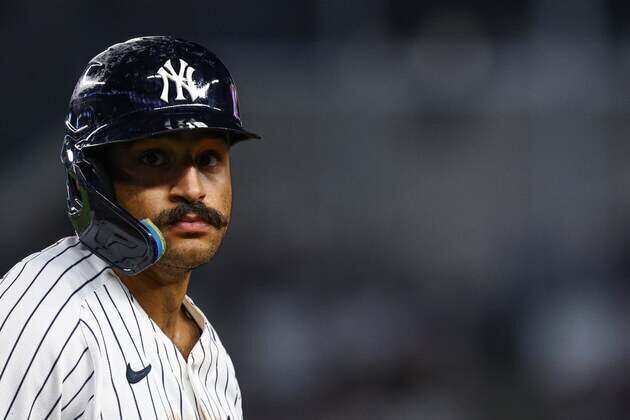
(Photo credit: Vincent Carchietta-Imagn Images) The New York Yankees placed outfielder Trent Grisham on the 10-day injured list Saturday...
At their home away from home, Brewers pursue another win against Reds

(Photo credit: Katie Stratman-Imagn Images) The Milwaukee Brewers have made themselves at home at Great American Ball Park this season....
