RFE
09 Apr 2026, 00:14 GMT+10
WASHINGTON -- Veteran ambassador Joey Hood, a career diplomat who has served with a focus on the Middle East under multiple US administrations, says the United States and Iran have each drawn stark lessons from the violent new chapter in decades of hostility.
In an interview with RFE/RL, Hood -- who served as principal deputy assistant secretary of state for Near Eastern affairs during President Donald Trumps first administration, and previously as deputy chief of mission in Iraq and Kuwait -- said Tehran has learned the US can eliminate senior leaders at will, a reality that will shape future Iranian decision-making.
At the same time, he said, Washington has learned that Iran -- or even non-state actors -- can effectively disrupt the Strait of Hormuz using low-cost tools such as drones, mines, or even credible threats, without deploying conventional naval forces.
If reported Iranian negotiating points are accurate, Hood said, the gap between the sides remains wide. Absent what he called a political earthquake, the risk of new escalation remains high, as each side still believes it can impose significant costs on the other.
This interview has been edited for length and clarity.
RFE/RL: I want to start with the lessons both the US and Iran have learned from this latest chapter of a conflict that has been going on since 1979. What are those lessons, in your view, and how should they inform US strategy in both the short and long term?
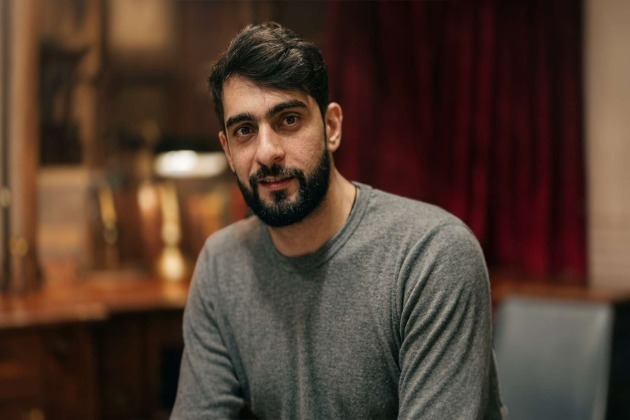
Joey Hood
Joey Hood:I think you're right to say that this is merely the latest chapter in a conflict that's been going on for 47 years now, because there's a long history here that started with the taking hostage of our diplomats by this regime in Tehran for 444 days in 1979 and 1980. And it's gone through other iterations, including the tanker war in the late 1980s and, of course, the many, many, many attacks by Iranian-supported militias in Iraq and Syria and Lebanon against US forces and diplomatic personnel.
In terms of the lessons learned, I think that Tehran has learned that the United States can eliminate virtually any leader at any time that it wants to do so. So that's going to have to factor into the thinking of any Iranian leader who ascends into a leadership role and, consequently, their negotiating position -- knowing that if they go too far beyond America's red lines, they could be the next ones eliminated.
Second, I think the United States has learned that Iran, or even other actors for that matter, can control the Strait of Hormuz by just launching a few cheap drones or mines, or even merely the threat of employing them. It doesn't take an armada now to block the strait, or even deep minefields. All it takes is sufficiently scaring insurance companies so that ships will no longer move -- because insurance is too expensive, simply not available, or the shipping companies themselves decide they dont want to take that risk.
And this is actually something that's not totally in the control of Washington or Tehran. Both sides can say, OK, we have a temporary cease-fire so ships can move. But if insurance and shipping companies don't agree, then the ships dont move. And, so far, not a lot of ships have been moving into position to cross the strait.
RFE/RL: You have served in multiple administrations dating back to George W. Bush. Given that Iran's leadership structure has remained relatively consistent over time -- and the new insights the US has gained about Irans decision-making and risk tolerance, including the US capability to eliminate senior leadership -- how do you think this affects the mindset of Iranian decision-makers today, particularly as they enter negotiations or consider escalation?
Hood:Well, they have to understand -- and I'm sure that they do -- that if we dont arrive at a negotiated solution, then a re-escalation or a resumption of armed conflict could mean, personally, that they will no longer survive.
So I think that gives them an incentive to be more serious, maybe to move faster than they otherwise would have, because we have seen from experience that it takes months and sometimes years to arrive at a solution with them. I go back to 19791980, when the Algerians helped us arrive at the liberation of the diplomatic hostages -- but that took many, many months. The Joint Comprehensive Plan of Action, the so-called nuclear deal of 2015, took years to negotiate.
Get a daily dose of Milwaukee Sun news through our daily email, its complimentary and keeps you fully up to date with world and business news as well.
Publish news of your business, community or sports group, personnel appointments, major event and more by submitting a news release to Milwaukee Sun.
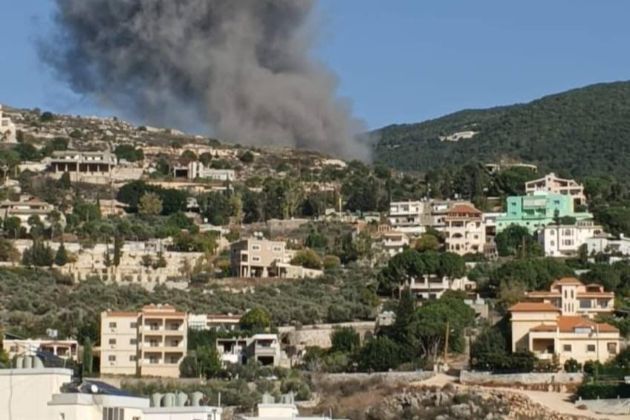
More InformationJERUSALEM, Israel: Prime Minister Benjamin Netanyahu said Wednesday that Israel backed the U.S. ceasefire with Iran, but tnsisted it...
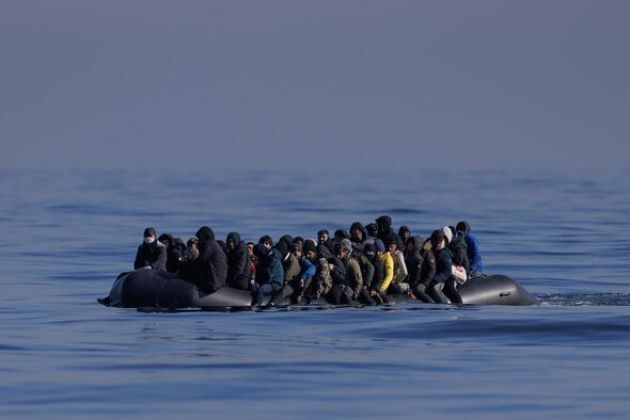
BRUSSELS, Belgium: Human traffickers have begun using Belgium's shoreline to transport migrants to Britain since France tightened controls...
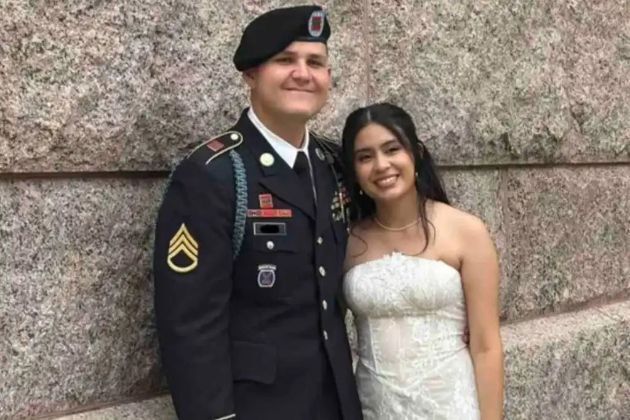
NEW ORLEANS. Louisiana: The wife of a U.S. soldier was released on April 7, following nearly a week in a federal immigration detention...
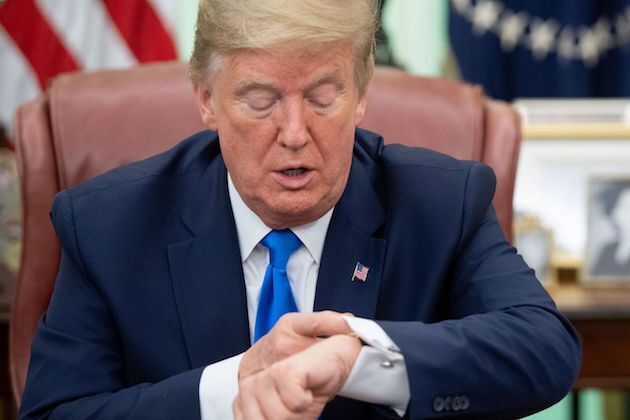
WASHINGTON, DC - In a stunning 11th hour development, former President Donald J. Trump has announced on Truth Social that he has suspended...
ISTANBUL, Turkey: Turkish police shot and killed one attacker in a gunfight outside a building housing the Israeli Consulate in Istanbul,...
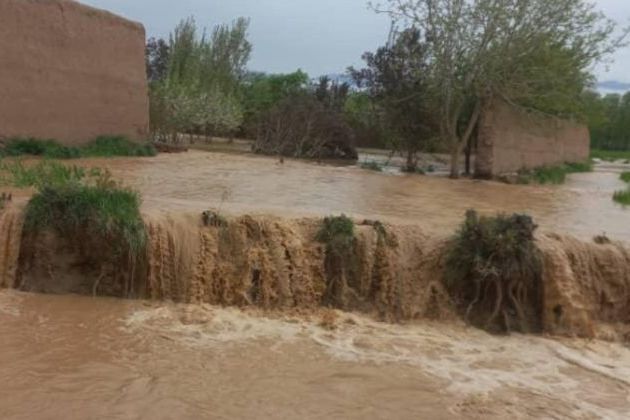
KABUL, Afghanistan: Nearly 110 people have died from the extreme weather that has triggered widespread flooding and landslides in many...
MANAMA, Bahrain: A man detained in Bahrain last month as the island kingdom came under missile attack from Iran vanished for days,...
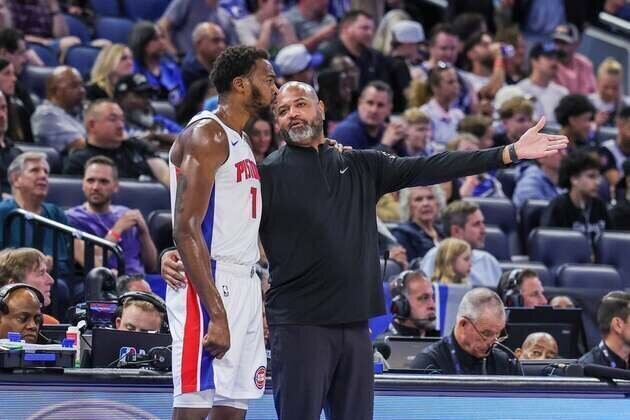
(Photo credit: Benny Sieu-Imagn Images) Asked before Tuesday's game against Brooklyn about how much longer he plans to stay in coaching,...
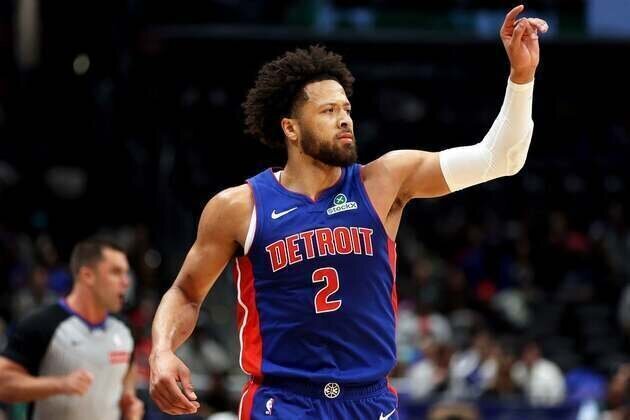
(Photo credit: Daniel Kucin Jr.-Imagn Images) Detroit Pistons All-Star guard Cade Cunningham is expected to make his return to the...
(Photo credit: Benny Sieu-Imagn Images) The Chicago White Sox optioned Opening Day starter Shane Smith to Triple-A Charlotte on Wednesday....
(Photo credit: Charles LeClaire-Imagn Images) The Pittsburgh Pirates said Wednesday they have agreed to a nine-year contract extension...
(Photo credit: Mike Watters-Imagn Images) The top seed and home-court advantage throughout the Eastern Conference playoffs already...