RT.com
22 May 2026, 15:31 GMT+10
Most regional leaders have voiced solidarity with the island, while some fear they could be next in Washingtons crosshairs
Fears of a US military operation against Cuba - or an outright invasion - have escalated after Washington indicted former Cuban leader Raul Castro, as the US continues to choke the island with an economic blockade.
On Wednesday, the Justice Department accused the 94-year-old Castro of ordering the 1996 shootdown of two American planes off Cuba's coast, which killed four anti-Communist activists.
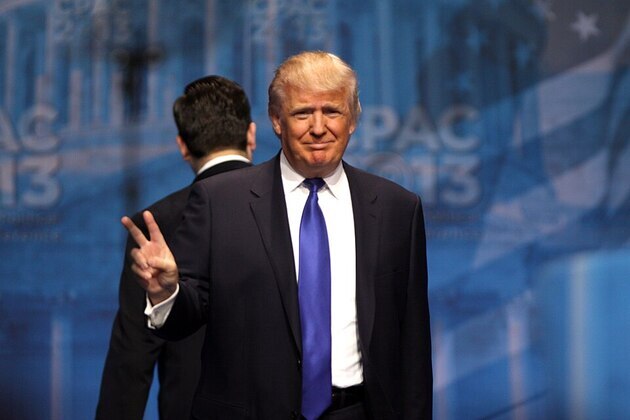
Meanwhile, US Secretary of State Marco Rubio, the son of Cuban immigrants who has never concealed his aspirations for regime change, released a Spanish-language address to the island's residents, advocating for a "new Cuba." US President Donald Trump has echoed the sentiment, calling Cuba a "failed nation" and suggesting Washington could "take [it] over."
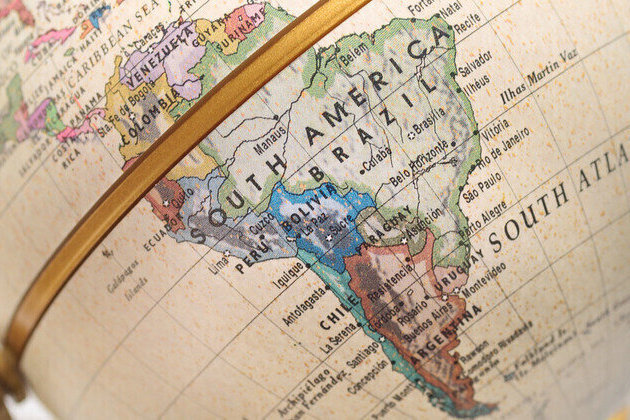
The pressure campaign - which also involved the redeployment of the USS Nimitz aircraft carrier to the Caribbean - has sent ripples across Latin America. Many former colonies are watching the tensions with growing suspicion and alarm, fearing that they could be next in Washington's crosshairs.
Cuba has pushed back hard against the US pressure. President Miguel Diaz-Canel condemned the Castro indictment as a political ploy meant to "justify the folly of a military aggression against Cuba," and accused Washington of manipulating the history of the 1996 shootdown.
Cuban Foreign Minister Bruno Rodriguez said that the US was concocting a "fraudulent case" to justify military action, adding that Cuba is prepared to defend itself.
Who stands with Cuba and who doesn't?
Brazil has been one of the region's most active voices in support of Cuba. In March, Brazilian President Luiz Inacio Lula da Silva warned that Latin America faces the threat of a return to colonial rule.
"It's not possible for someone to think that they own other countries. What are they doing with Cuba now? What did they do with Venezuela? Is that democratic?" he said, without directly naming Trump.
In late April, Brazil was one of the countries that pledged to ramp up humanitarian aid to Cuba while calling for dialogue and stressing that the Cuban people must be free to determine their own future.
However, after meeting Trump in early May, Lula told reporters he believed the US was not planning to invade Cuba, and that Havana wants dialogue with Washington to end the oil embargo, which has led to unprecedented blackouts across the island.
Venezuela, traditionally one of Cuba's staunchest partners and oil suppliers, responded with caution, mindful that in January Trump ordered an operation to kidnap President Nicolas Maduro.
Acting President Delcy Rodriguez has remained conspicuously silent on Cuba, with no signs of Caracas resuming desperately-needed oil shipments.
Still, the ALBA alliance - which groups Cuba, Venezuela, Nicaragua, and others - expressed "deep concern and firm rejection" of US threats to use force against Cuba, warning of growing tensions that jeopardize peace and stability across the region.
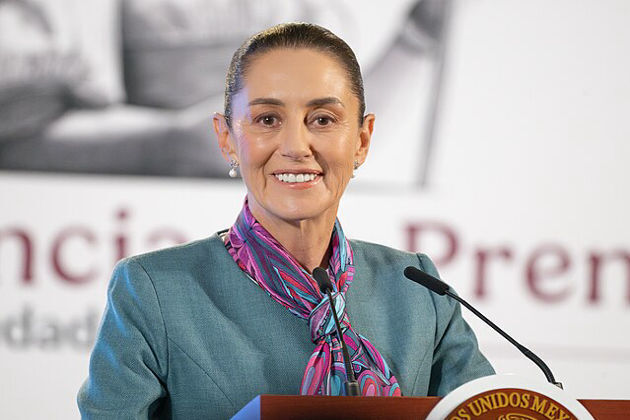
Mexico - another close partner of Cuba - has been forced to walk a tightrope in the face of potential US retaliation. President Claudia Sheinbaum has pledged to continue providing humanitarian aid to Cuba, calling the US sanctions "unfair to the Cuban people" while describing Trump's blockade "unjust" and insisting that her country had "every right to send fuel, whether for humanitarian or commercial reasons."
The rhetoric, however, has not matched the policy, as Mexico has supplied Cuba with oil since January. While Sheinbaum insisted that the decision was a "sovereign" one, it came on the heels of Washington's threat to slap tariffs on the country.
Despite this, Mexico still joined the chorus calling for Cuban sovereignty to be respected.
Colombian President Gustavo Petro clearly denounced the US policy, stressing that "a military aggression against Cuba... is a military aggression against Latin America."
Former President Ernesto Samper Pizano issued a similar warning, saying that "if the United States gets involved in bullying Cuba, it will be mistreating all of Latin America. It's time to stop the hegemonic excesses of Trumpism in the world."
Nicaraguan President Daniel Ortega, himself under US sanctions targeting his sons and senior officials, has delivered some of the sharpest pushbacks. In late April, he labelled Trump "mentally deranged," accusing Washington of planning to "dismantle" Cuba while recalling Washington's operation to kidnap Maduro.
"The one in charge in the United States doesn't care about what international organizations say, or even about US laws, or the role of his country's Congress and Senate," he said.
Argentinian President Javier Milei - who is arguably Trump's most ardent backer among Latin American leaders - expressed hope earlier this month that Cuba and Venezuela would soon achieve the "American Dream."
"We hope this soon reaches our beloved Cuba and Venezuela, who have suffered so much, and that the model of freedom reaches the last refuge of the continent," he said.
Milei's government has embraced a hard line towards Cuba, refusing to appoint an ambassador to Havana, with the president praising the US abduction of Maduro - whom he labeled "a terrorist and a drug-trafficker."
Latin America's response to the US crackdown on Cuba has mostly been a message of solidarity though short on practical measures that risk Washington's wrath, including economic and political sanctions.
Still, some of the region's leaders have made it abundantly clear: they view US pressure not as an attack on Cuba - but an attack on the whole of Latin America.
(RT.com)
Get a daily dose of Milwaukee Sun news through our daily email, its complimentary and keeps you fully up to date with world and business news as well.
Publish news of your business, community or sports group, personnel appointments, major event and more by submitting a news release to Milwaukee Sun.
More InformationNEW YORK CITY, New York: U.S. President Donald Trump disclosed more than 3,600 stock trades during the first quarter of 2026, revealing...
BEIJING, China: A week after President Xi Jinping hosted Trump in Beijing, China and Russia, at a summit on May 20, condemned U.S....
MEXICO CITY, Mexico: Mexico has frozen the bank accounts of some former officials accused by the United States of having links to the...
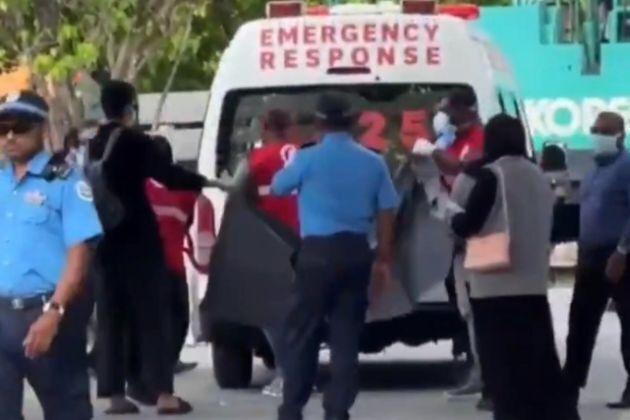
MALE, Maldives: Italy's Foreign Ministry said this week that rescuers have found the bodies of the four Italian divers who went missing...
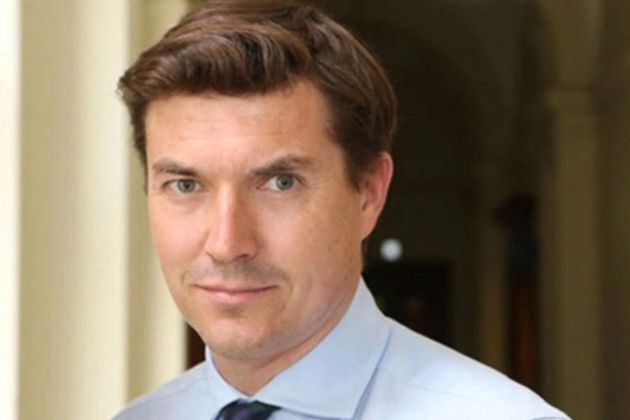
LONDON, U.K.: Britain's second most senior diplomat in Washington, James Roscoe, has left his post, the British Foreign Office said...
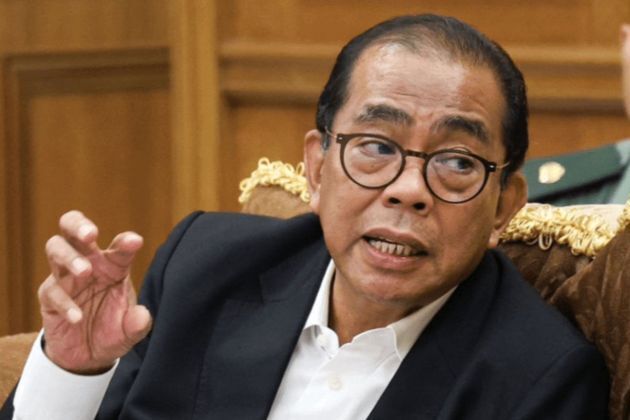
KUALA LUMPUR, Malaysia: Malaysia's defense minister said on May 19 that the country has sent a notice to Norway asking for more than...
NEW YORK CITY, New York: U.S. President Donald Trump disclosed more than 3,600 stock trades during the first quarter of 2026, revealing...
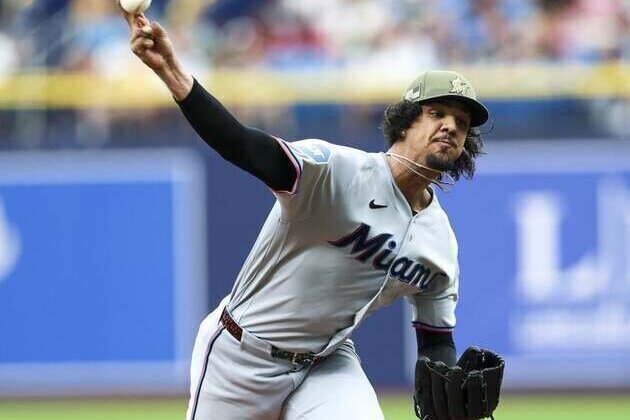
(Photo credit: Nathan Ray Seebeck-Imagn Images) Marlins right-hander Eury Perez will try to end his five-start losing streak when...
(Photo credit: Isaiah J. Downing-Imagn Images) The visiting Los Angeles Dodgers will turn to left-hander Justin Wrobleski to slow...
(Photo credit: Jay Biggerstaff-Imagn Images) After both teams banked series wins earlier this week, the Boston Red Sox and Minnesota...
(Photo credit: Brett Davis-Imagn Images) The Chicago Cubs hope a day off at home will allow them to reset mentally before they host...
(Photo credit: Benny Sieu-Imagn Images) Carlos Rodon was pitching with loose bodies in his left elbow when he struggled in Game 3...